Pauline Epistles · New Testament
The Book of Romans
Romans provides the most systematic presentation of the gospel in the New Testament, explaining how sinners are justified by faith in Jesus Christ and how believers are to live in light of that grace.
- Chapters
- 16
- Testament
- New
- Category
- Pauline Epistles
- Traditional Author
- Traditionally attributed to the apostle Paul
Overview
Watch Romans Verse by Verse
 Short
0:44
Short
0:44
 Video
17:58
Video
17:58
Romans 1:18-20 · NKJV
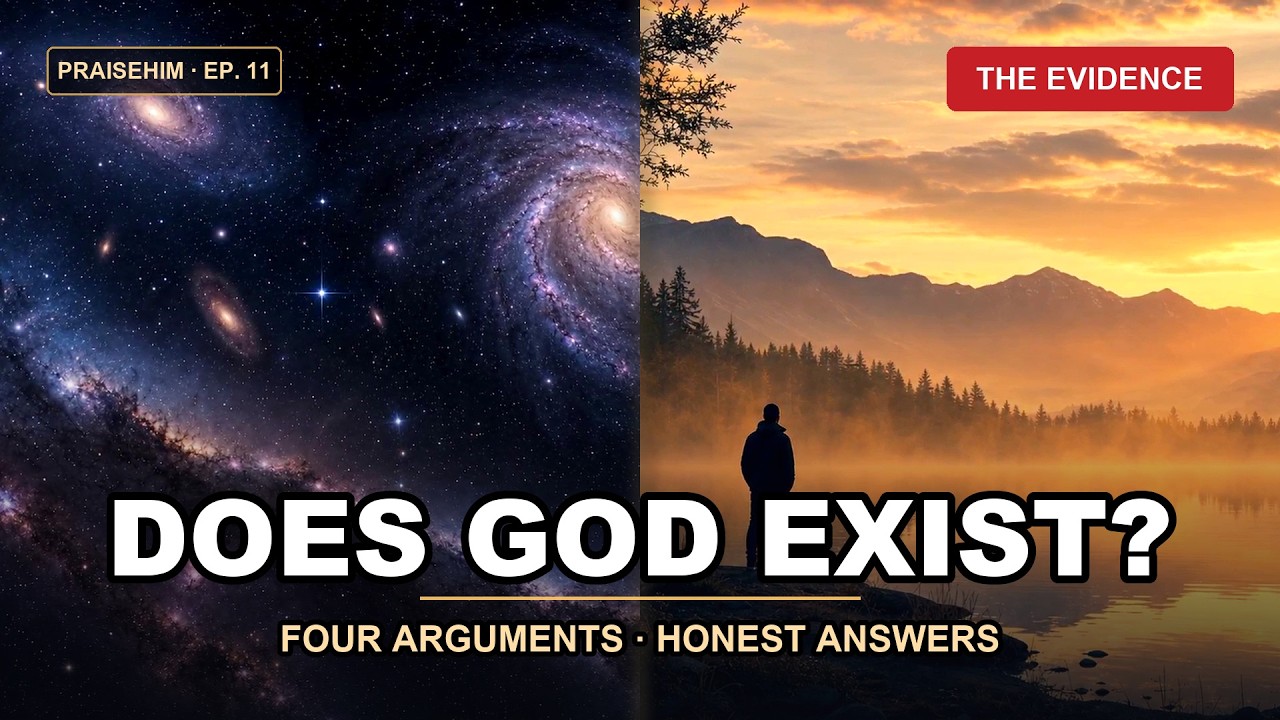
Does God Exist? The Strongest Evidence.
Does God exist — and is there any real evidence, or is faith just a leap in the dark? In this episode of Life's Hardest Questions we make th...
 Short
0:56
Short
0:56
 Video
12:57
Video
12:57
Romans 8:28 · NKJV
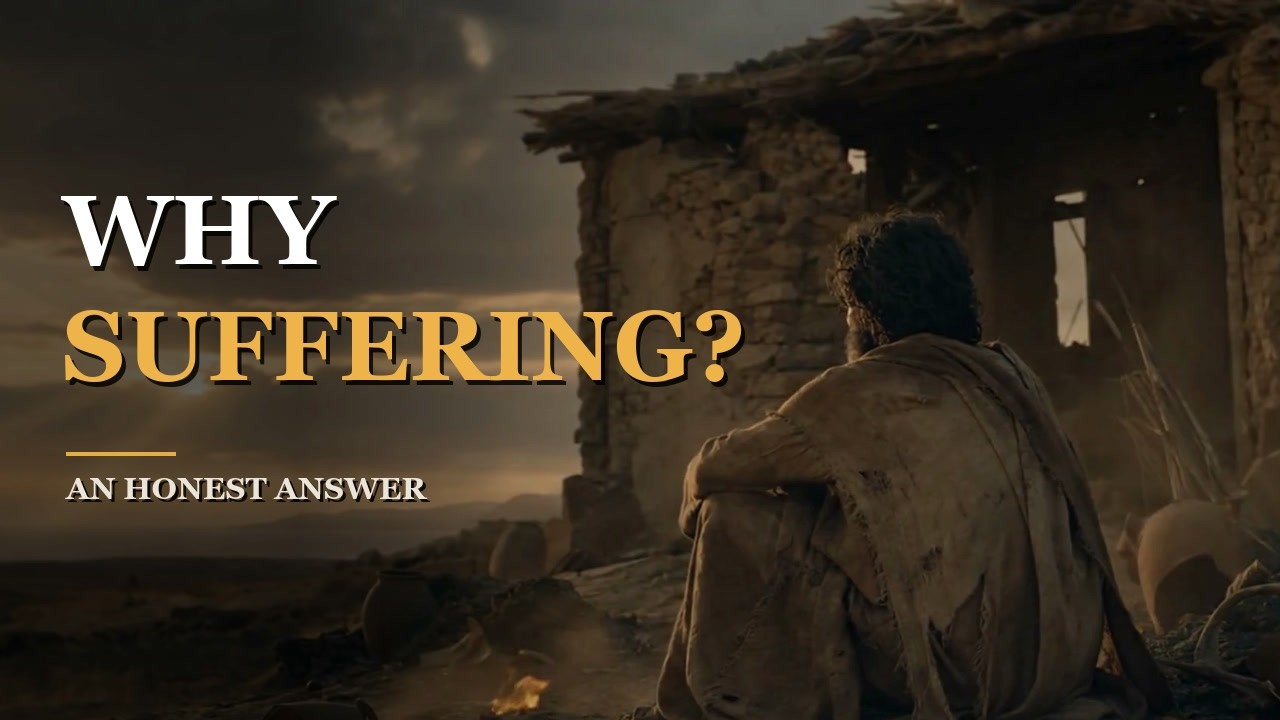
If God Is Good, Why Is There Suffering? (An Honest Answer)
If God is good, why is there suffering? It's the oldest and hardest question in the world — and Barna Research found it's one of the top thr...
Key Themes
- The universal sinfulness of humanity
- Justification by faith alone
- The righteousness of God revealed in the gospel
- Life in the Spirit
- God's faithfulness to Israel and the inclusion of the Gentiles
Key Verses
"for all have sinned and fall short of the glory of God"
Romans 3:23 (NKJV)
"For the wages of sin is death, but the gift of God is eternal life in Christ Jesus our Lord."
Romans 6:23 (NKJV)
"And we know that all things work together for good to those who love God, to those who are the called according to His purpose."
Romans 8:28 (NKJV)